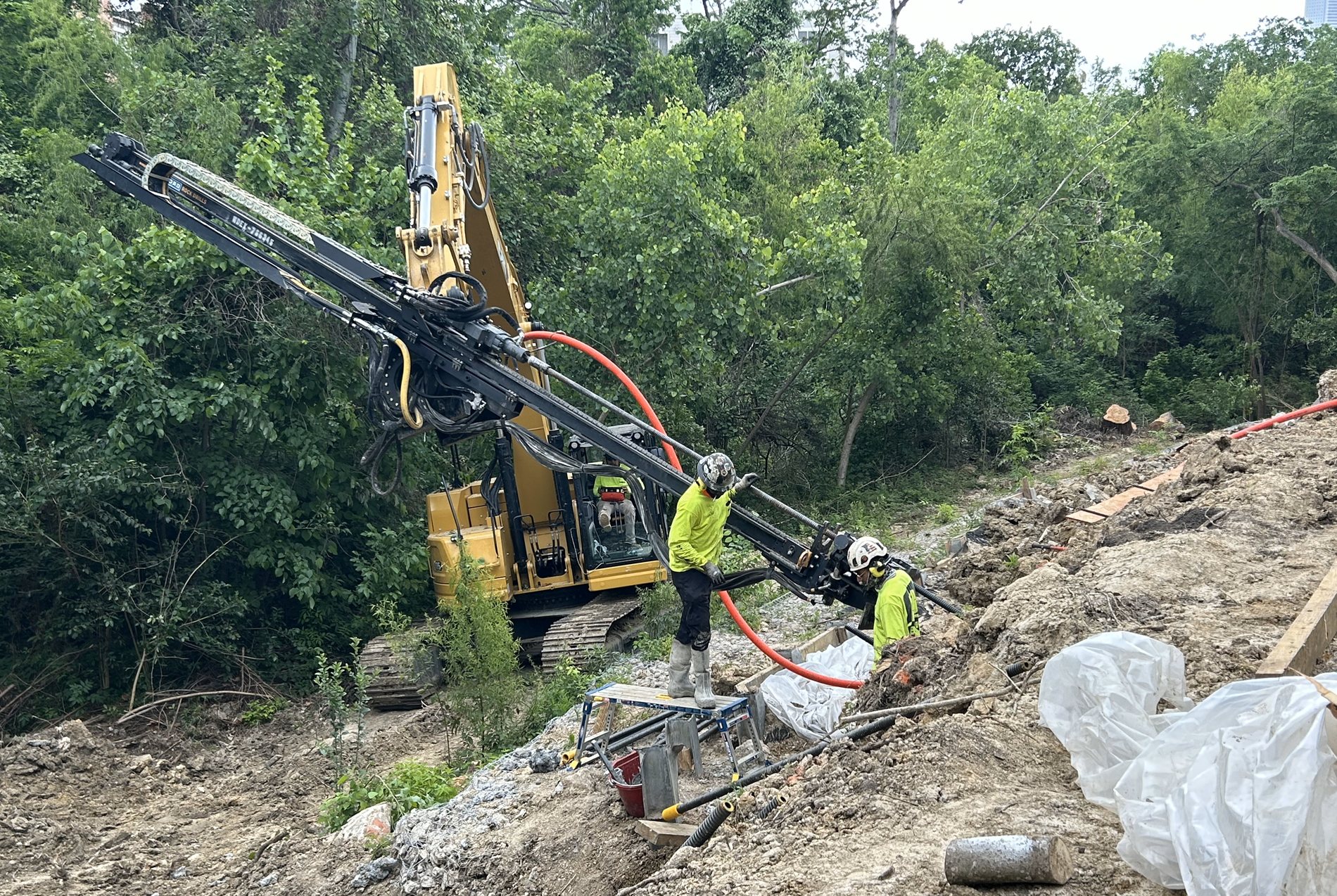
One of the most common methods is the use of self-drilling anchors or micropiles combined with grouting and high-strength wire meshes to further stabilize the surface. These solutions are widely used in both soil stabilization and rock anchoring applications, helping contractors reinforce challenging ground conditions efficiently.
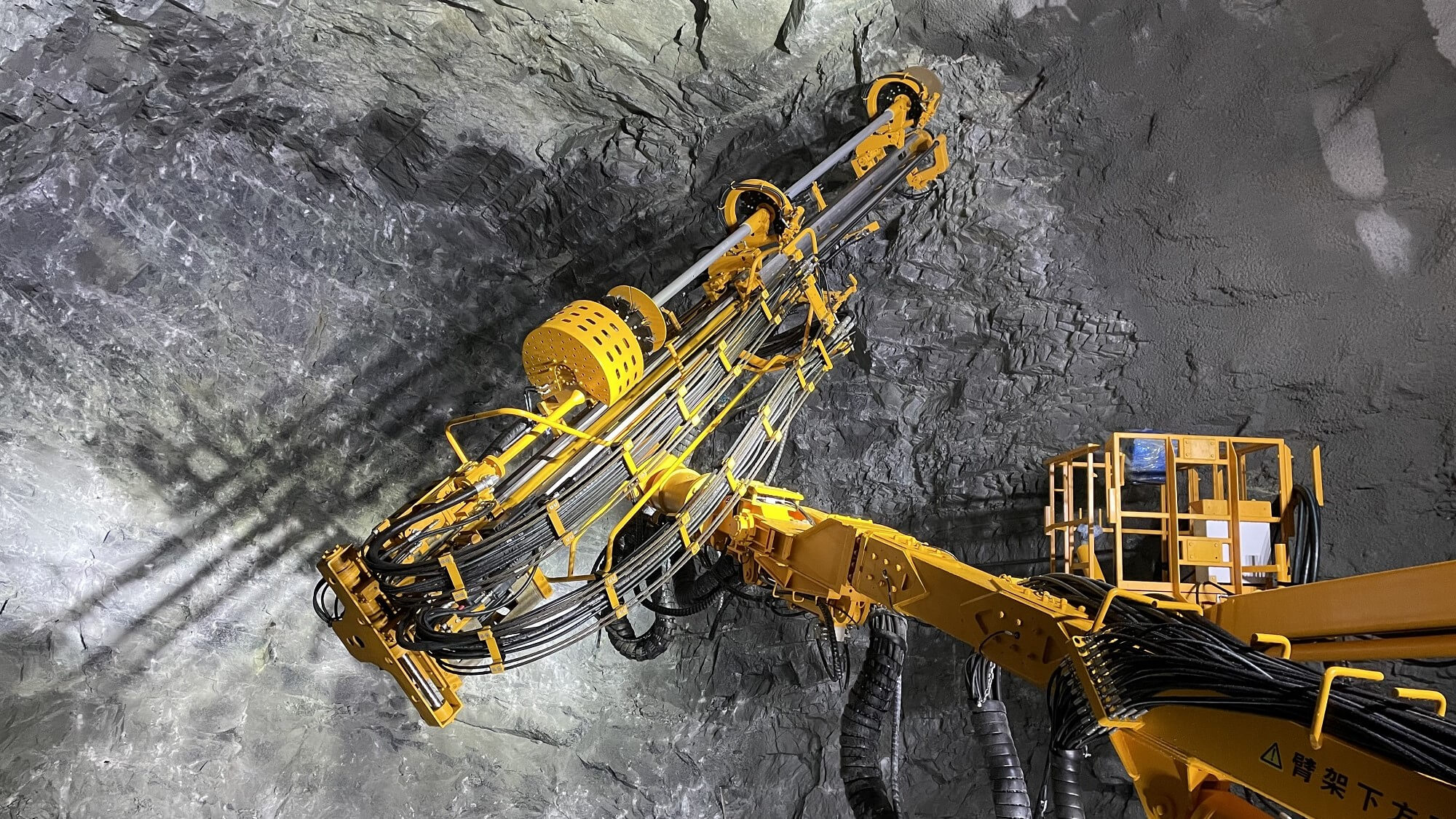
“The basic principle is to anchor the soil or rock mass into a stable layer or bedrock. The surface can also be reinforced using wire mesh and a grout layer to further stabilize the surface and prevent any loose rocks from falling. This creates the stability required for long-term structural performance,” says Jani Noukka, Sales Manager at Doofor.
What is ground stabilization?
Ground stabilization refers to methods used to strengthen soil and rock formations that cannot safely support a structure in their natural state.
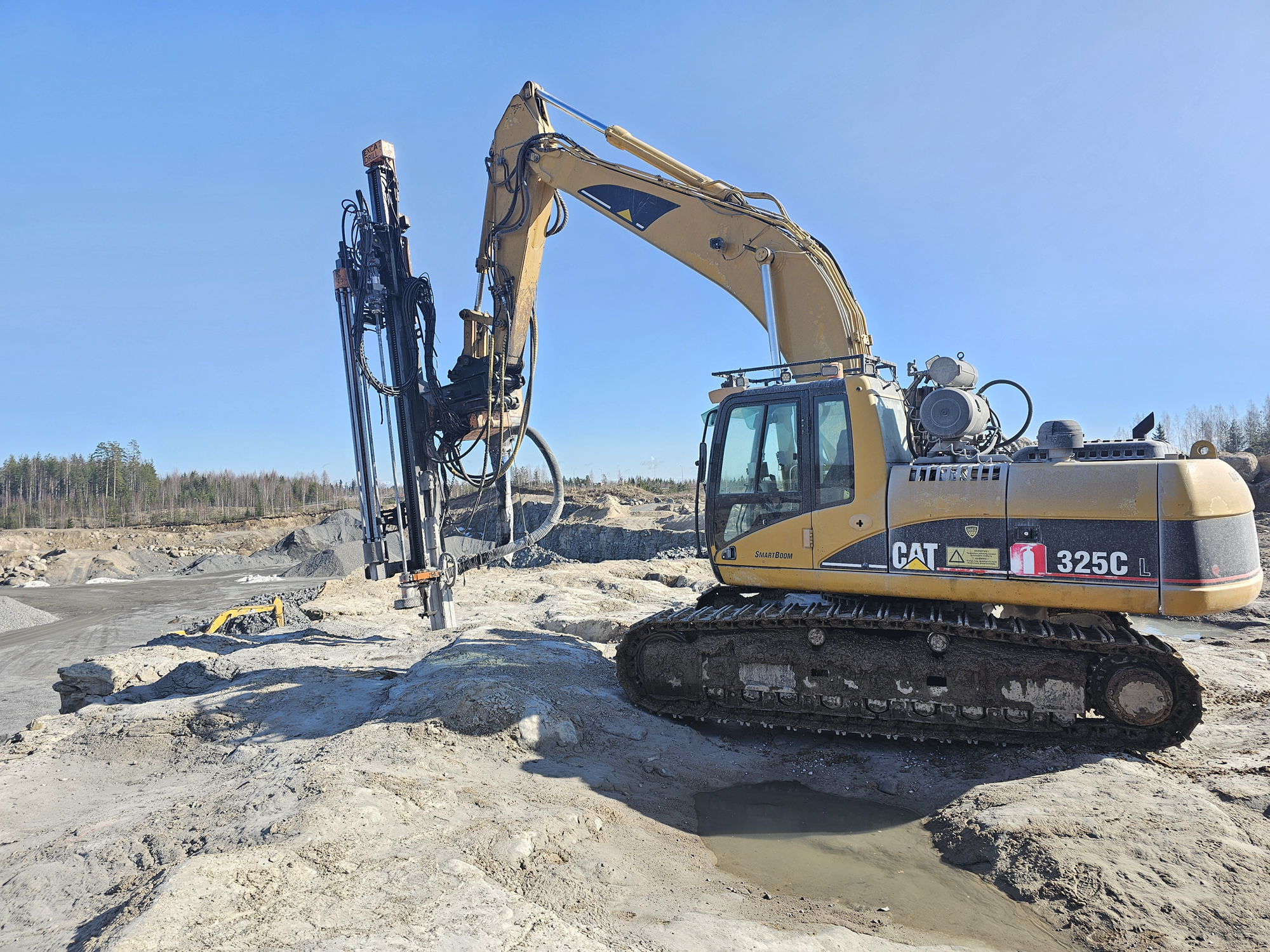
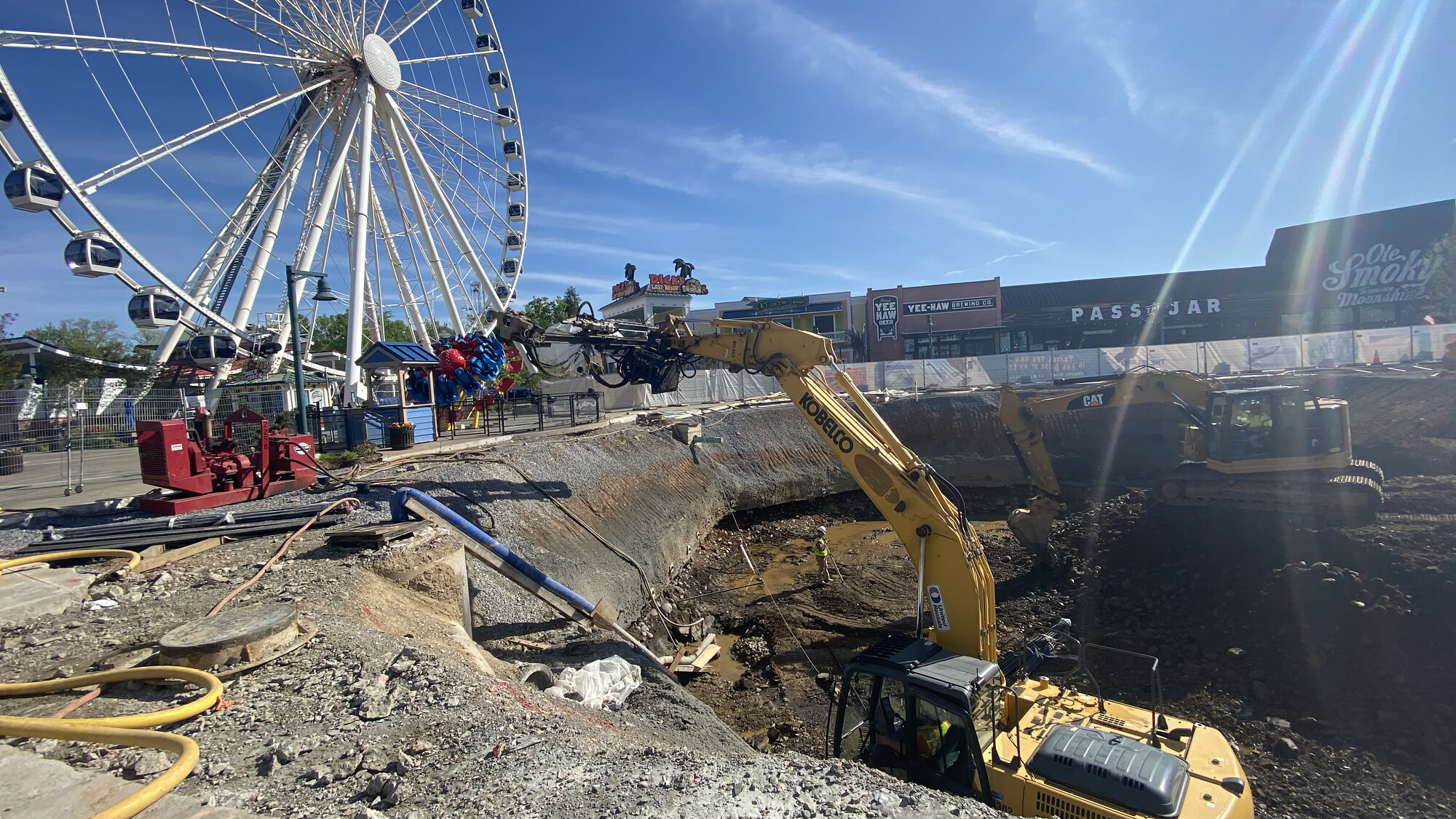
In infrastructure projects, self-drilling anchors are often installed through soil layers and into stable bedrock. The anchors are then secured with grout, creating a strong bond between the anchor and the surrounding ground.
This approach is commonly known as ground stabilization, soil stabilization, soil nailing or rock anchoring, depending on the application.
“Many projects require stabilization as part of the engineering design. The goal is to prevent ground movement and ensure the long-term stability of the structure,” Noukka explains.
What does effective stabilization drilling require?
Ground conditions can vary significantly within a single project. Soft soil, fractured rock and hard formations may all be encountered during the same drilling operation.
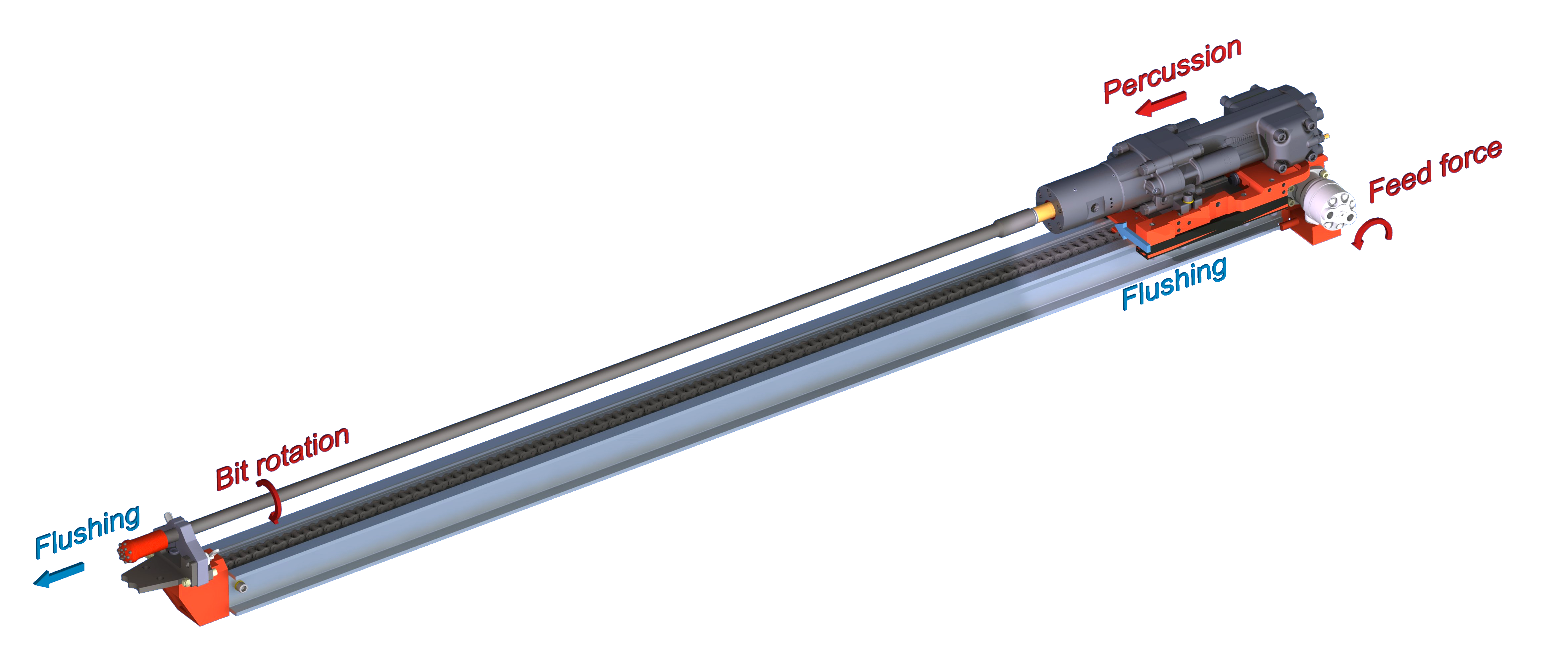
As a result, drilling equipment must combine high torque with reliable percussion performance.
“Soil stabilization often requires substantial rotational torque, but operators may also encounter rock formations during the same job. Equipment needs to perform effectively in both conditions,” says Noukka.
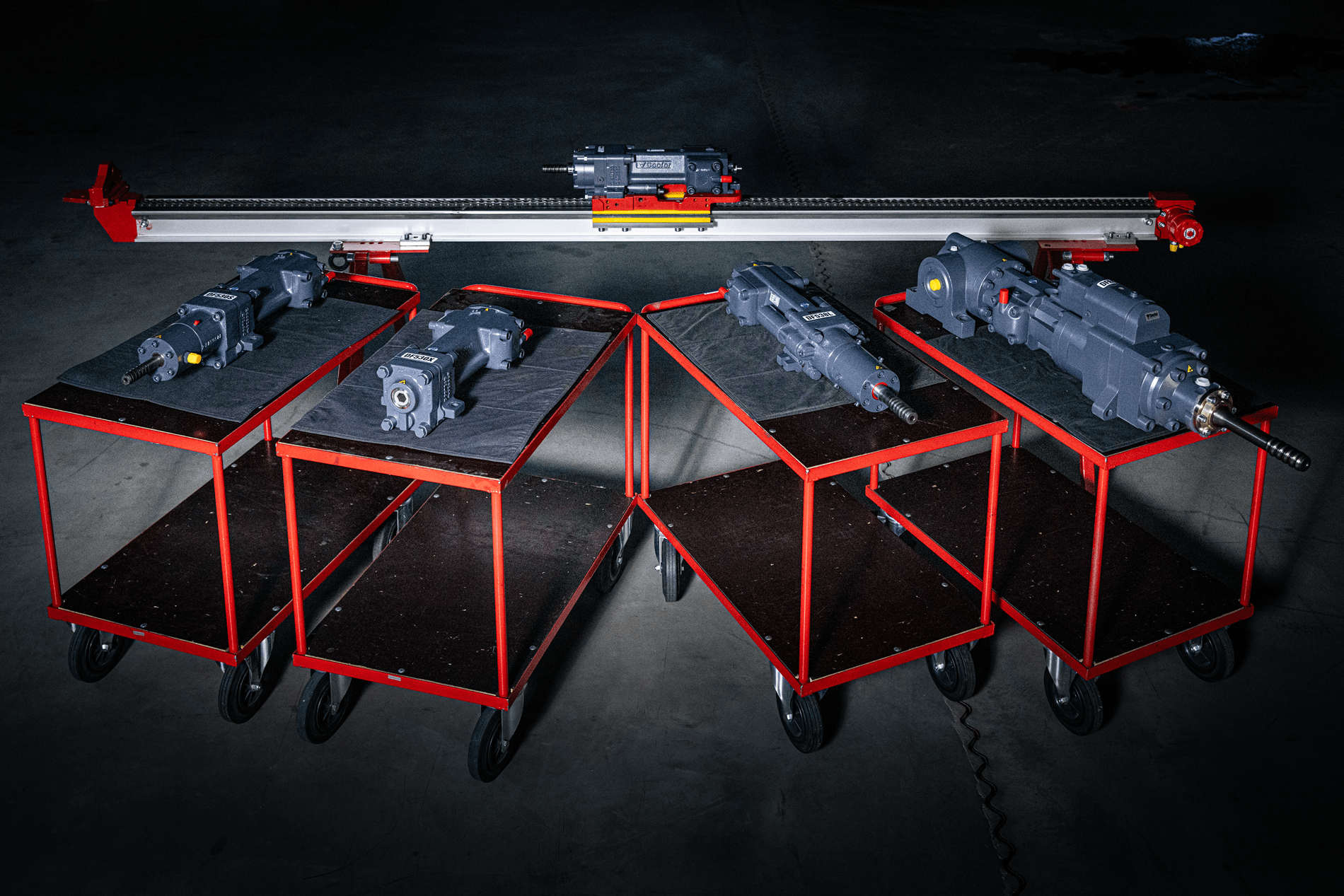
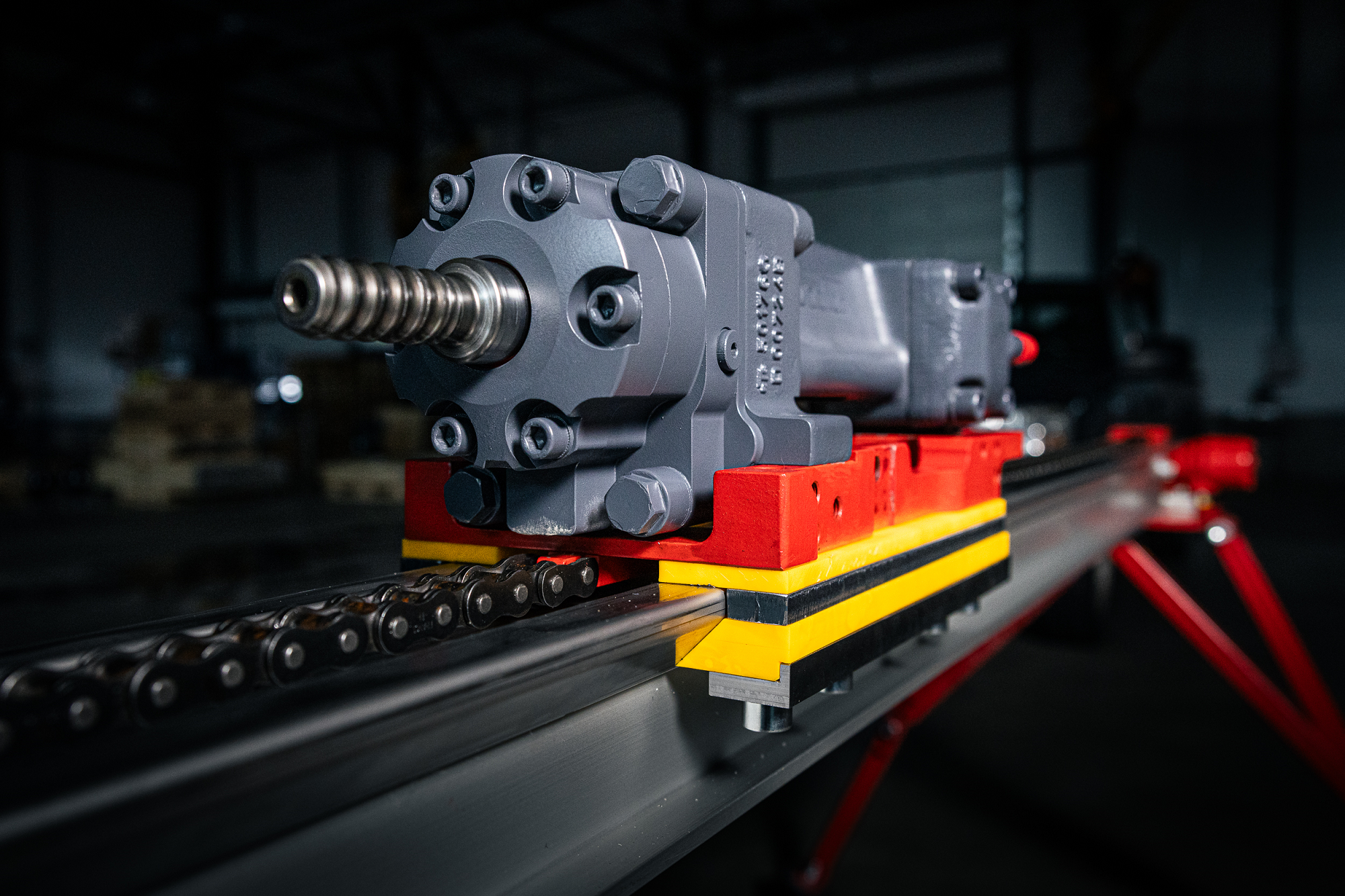
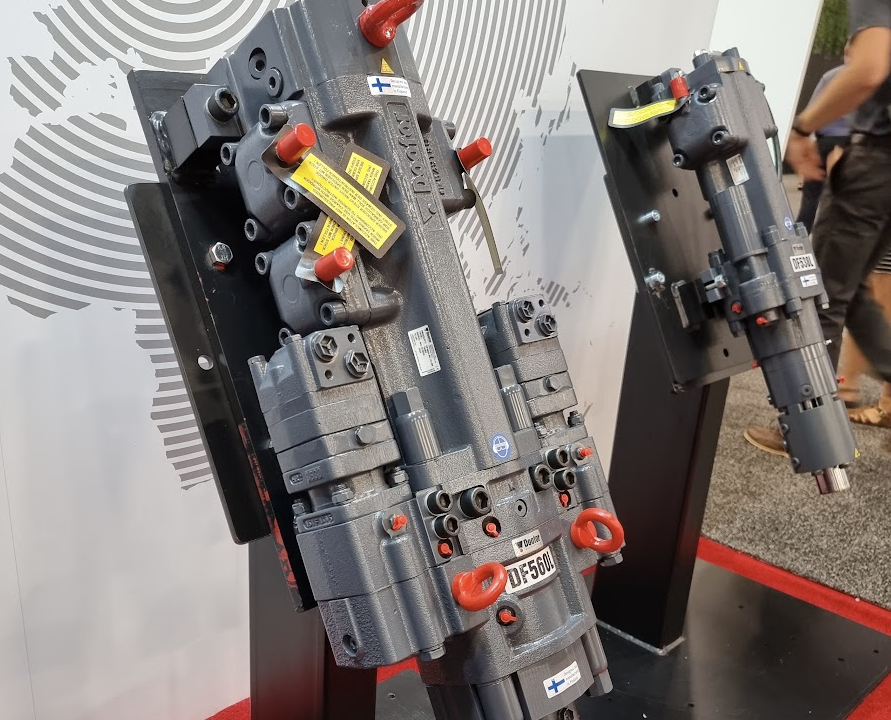
For this reason, Doofor often recommends twin-motor drilling solutions for stabilization applications. Models such as the DF560L-BLTG-2M, DFR5-BLTF-2M and DFR8-GRT-2M provide the high torque required for soft ground while maintaining the impact performance needed when harder formations are encountered.
The ability to handle varying ground conditions with a single drilling system helps improve productivity and operational reliability.
How does integrated grouting improve efficiency?
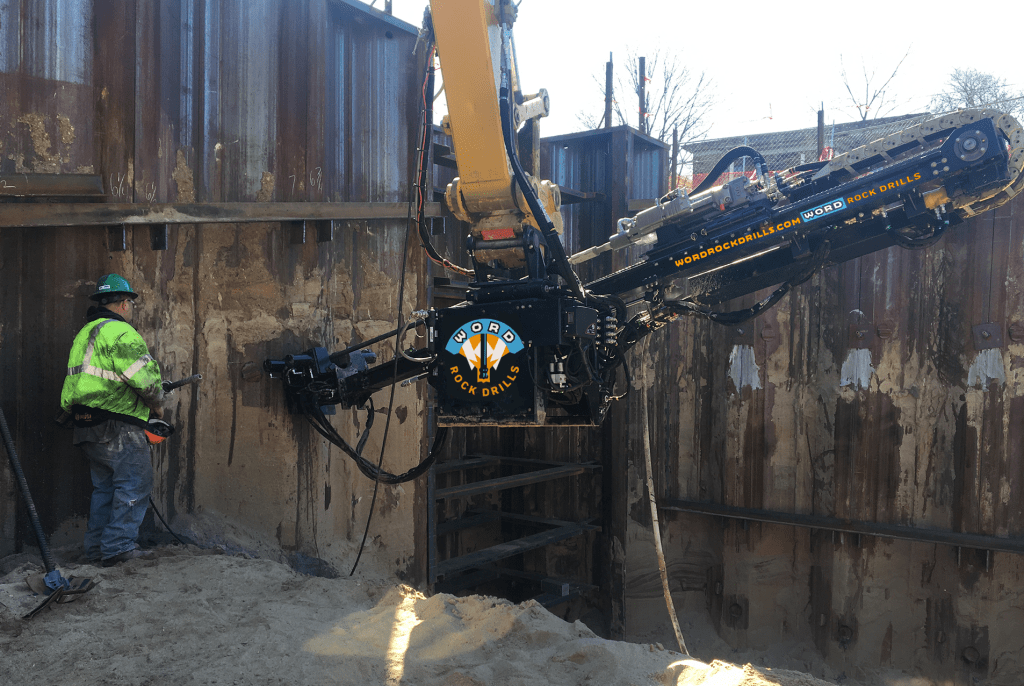
Grouting is an essential part of many soil stabilization and rock anchoring projects. Once the anchor has been installed, grout is injected into the borehole to secure the anchor and strengthen the surrounding ground.
Traditionally, this process may require additional equipment. Doofor’s solutions allow grout to be injected directly through the drilling system, simplifying the workflow on site.
“One of the key advantages is that grout can be injected through the drill itself. In many applications, there is no need for separate grouting equipment,” Noukka says.
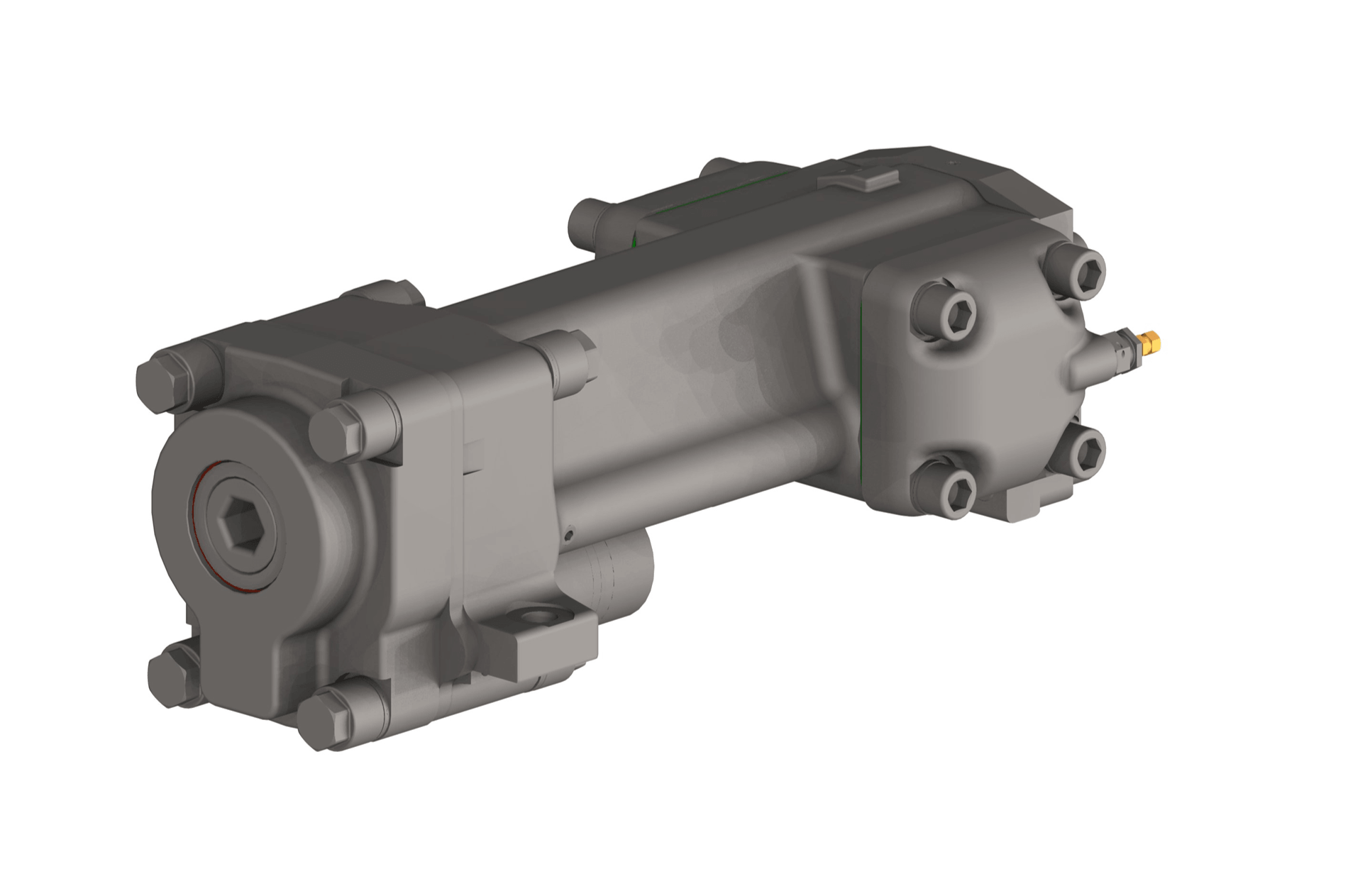
Doofor offers several front head options designed for anchoring and grouting applications. The BLTG and GRT models feature enhanced sealing systems for demanding injection work, while the BLTF front head is specifically designed for applications where female shank connections are commonly used. BLTF front head also features a completely separate flushing box for the most demanding conditions.
Female shank adapters allow self-drilling anchors to be connected directly to the drill, helping streamline installation and improve efficiency.
Why are versatile drilling solutions gaining popularity?
Equipment manufacturers and contractors increasingly seek solutions that can support multiple applications. While ground stabilization is an important use case, many customers also require equipment capable of performing conventional drilling work.
“One of the strengths of our drilling systems is their versatility. The same equipment can be used for ground stabilization, rock anchoring and conventional blast hole drilling, allowing customers to maximize the value of their investment,” says Noukka.
For equipment manufacturers, this creates an opportunity to offer more flexible solutions that meet a wider range of customer requirements.
Ground stabilization requires a balanced drilling solution
Successful ground stabilization depends on more than anchors and grout alone. Drilling equipment must be capable of delivering high torque, reliable percussion performance and efficient grouting capabilities across changing ground conditions.
“When conditions vary, performance and flexibility become critical. The most effective solution is one that combines drilling power, reliability and versatility in a single package,” Noukka concludes.
Would you like to learn more about how our solutions could meet your needs?