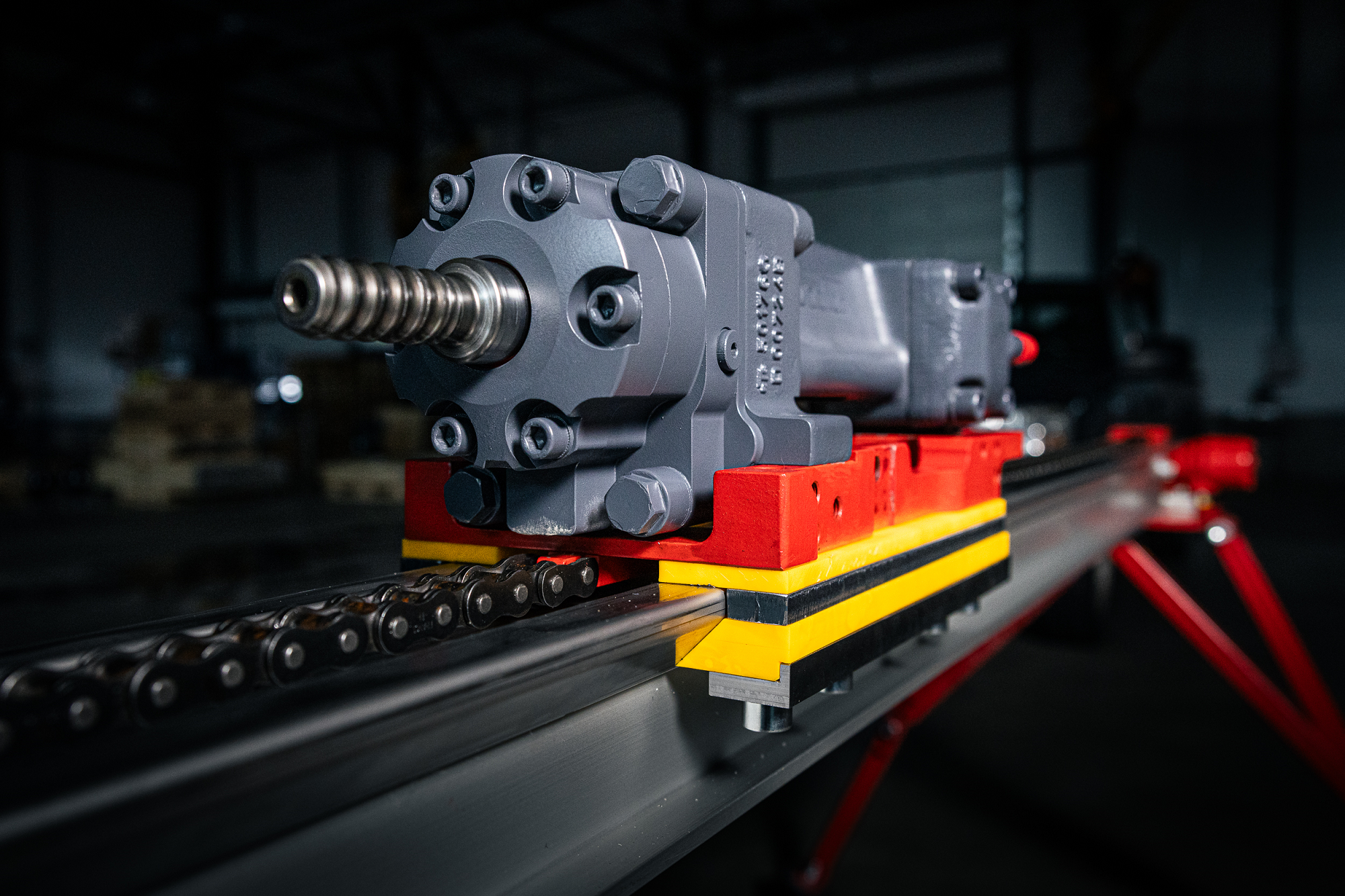
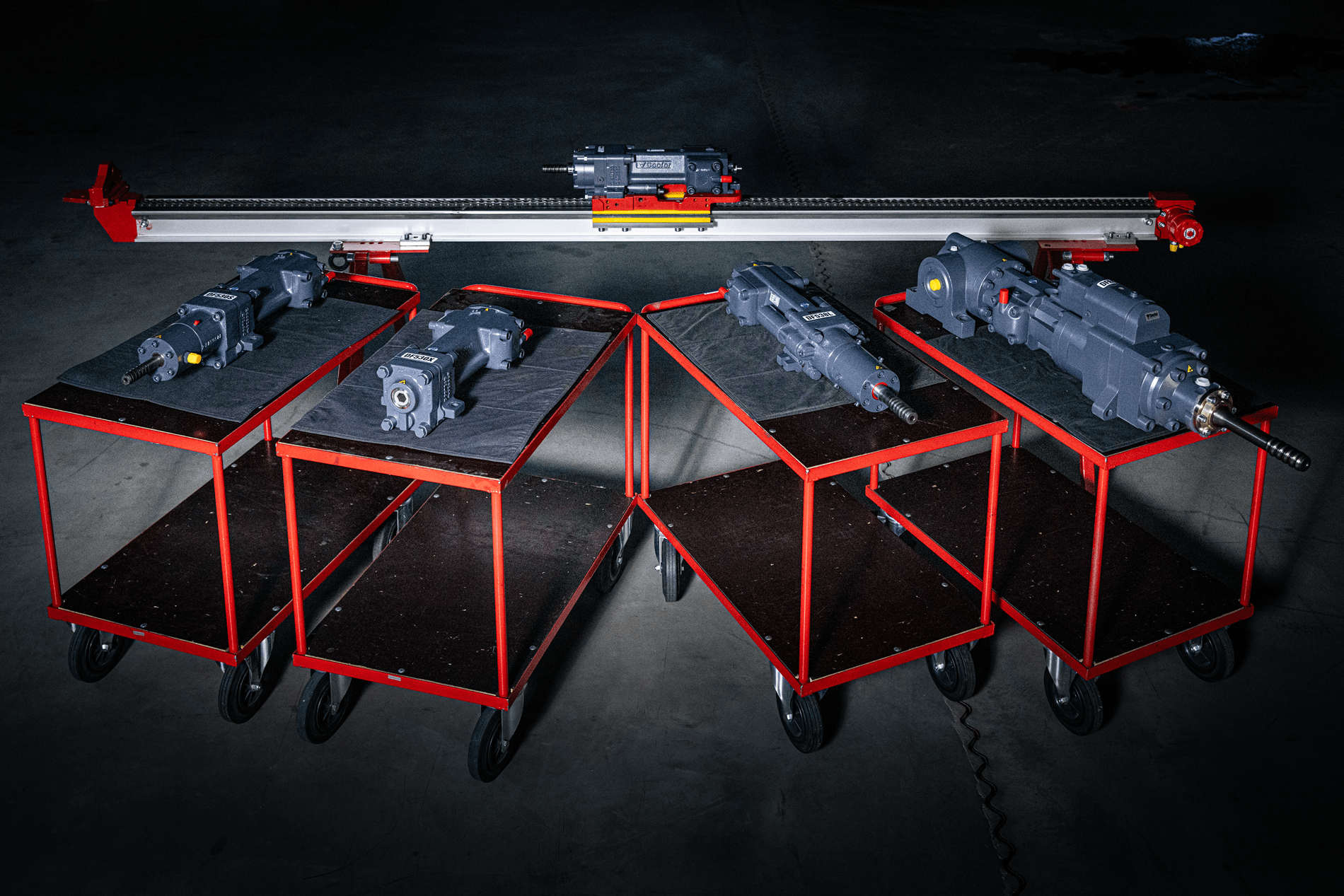
Below, Doofor’s experts answer seven common questions that help OEM manufacturers identify the right hydraulic rock drill for their application.
How do I know which hydraulic rock drill is right for my application?
The application should always be the starting point.
Rather than selecting a rock drill model first, OEM manufacturers should define what the drilling equipment needs to achieve. Different applications place different demands on the drilling system, which is why the intended use determines the most suitable hydraulic rock drill, drivetrain and configuration.
For this reason, Doofor often works with customers already during the early stages of machine development to ensure the selected solution supports the complete drilling system rather than an individual component.
When is a dual-motor hydraulic rock drill the right choice?
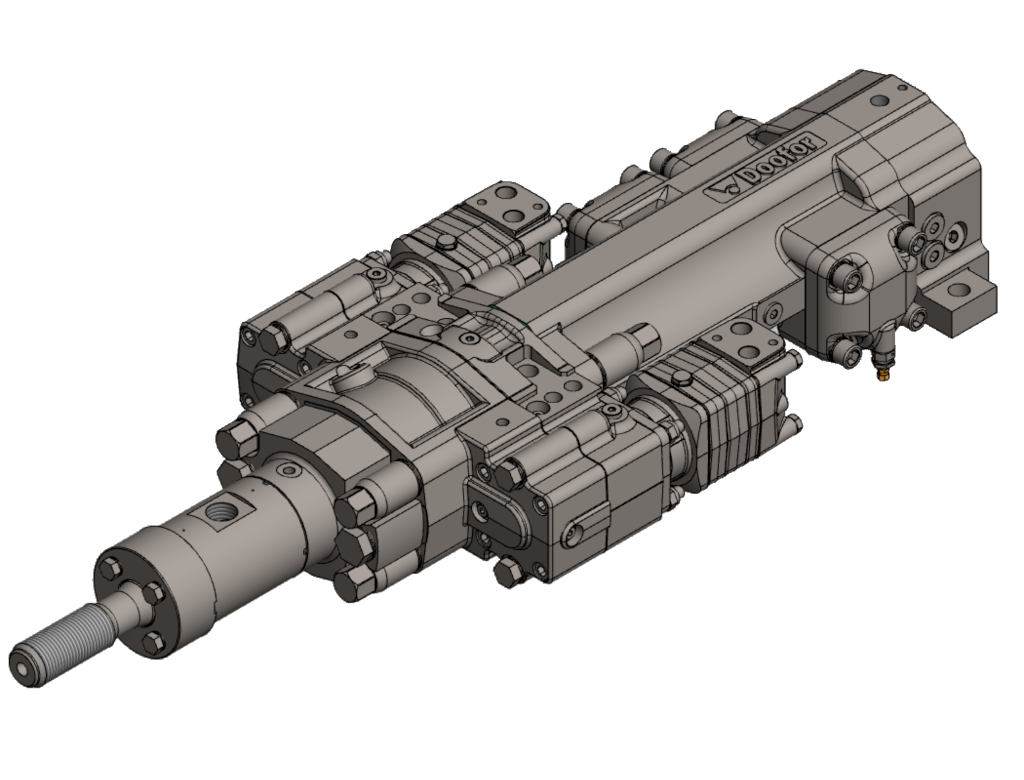
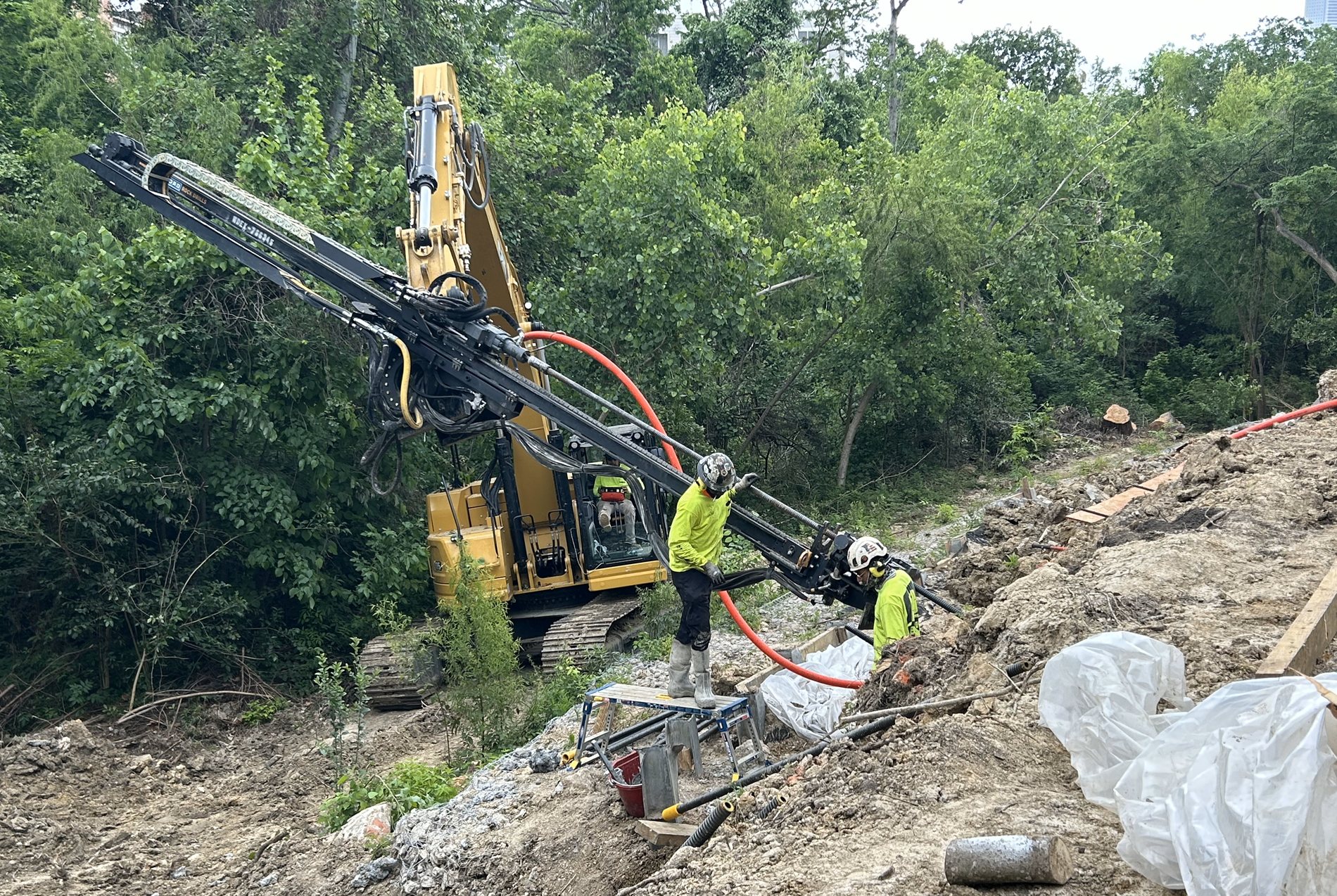
A dual-motor hydraulic rock drill is typically the right choice when the application requires exceptionally high rotation torque.
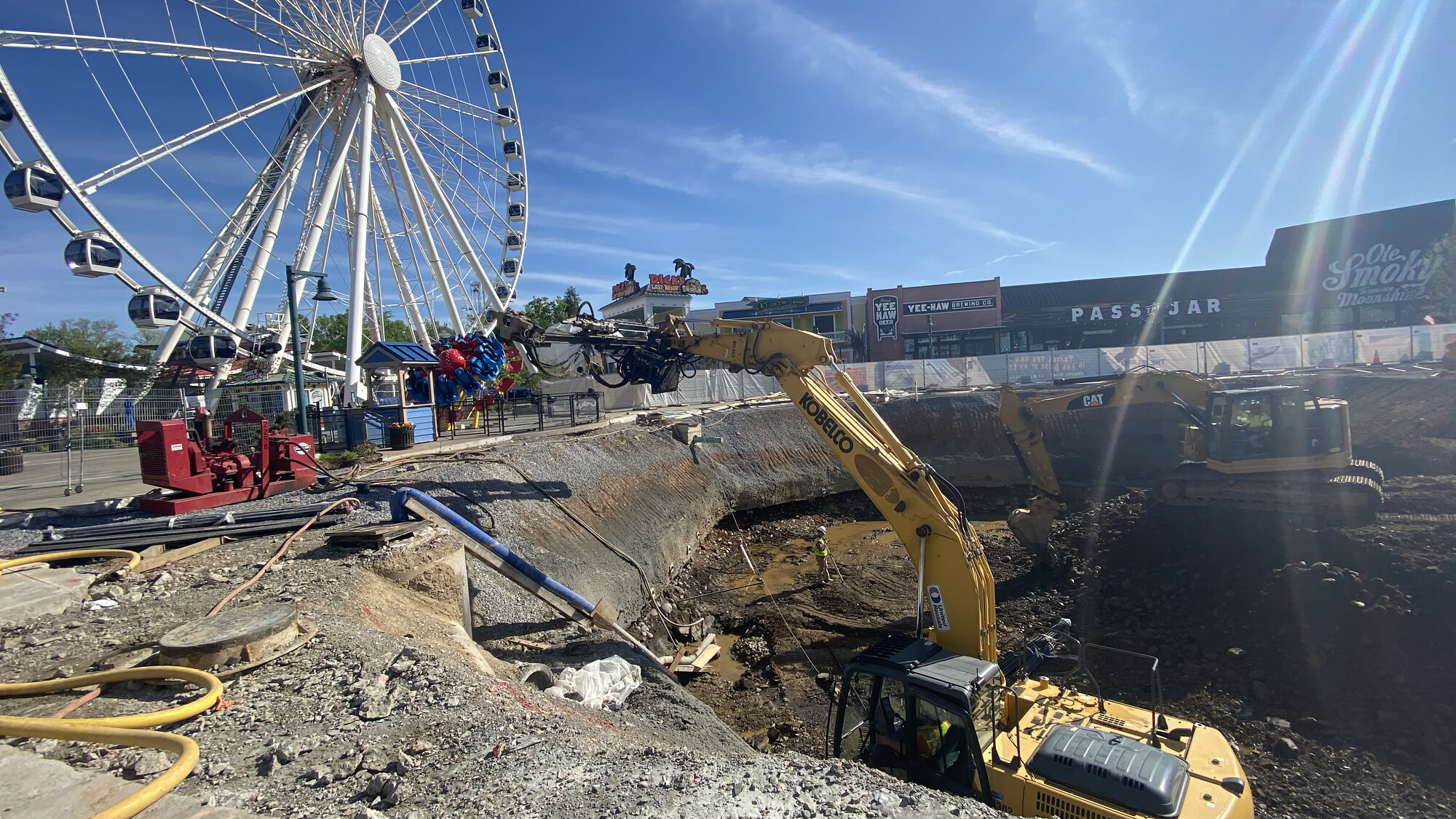
This is common in applications involving softer ground conditions, where drilling places greater demand on rotation than many conventional rock drilling applications. Compared with a standard single-motor version, a dual-motor configuration can provide approximately twice the rotation torque.
The required configuration should always be selected according to the application instead of assuming that more torque is automatically better.
Why isn’t rotation torque the only thing that matters?
Because drilling conditions can change during the same operation.
Even when drilling mainly takes place in softer ground, the drill string may encounter harder rock or rock pockets. In these situations, strong impact performance becomes just as important as rotation torque.
This is why Doofor considers the complete drilling performance when recommending a hydraulic rock drill rather than focusing on a single performance value.
How do front head options affect hydraulic rock drill selection?
The required front head depends on the drilling method.
If the application includes grout injection, the hydraulic rock drill should be equipped with a front head designed for that purpose. Doofor grouting front heads allow grout to be injected directly through the rock drill’s flushing connection, eliminating the need for a separate injection head.
This enables drilling and grouting to be carried out using the same drilling unit and boom, simplifying the overall drilling process.
Can one hydraulic rock drill be used for different applications?
In many cases, yes.
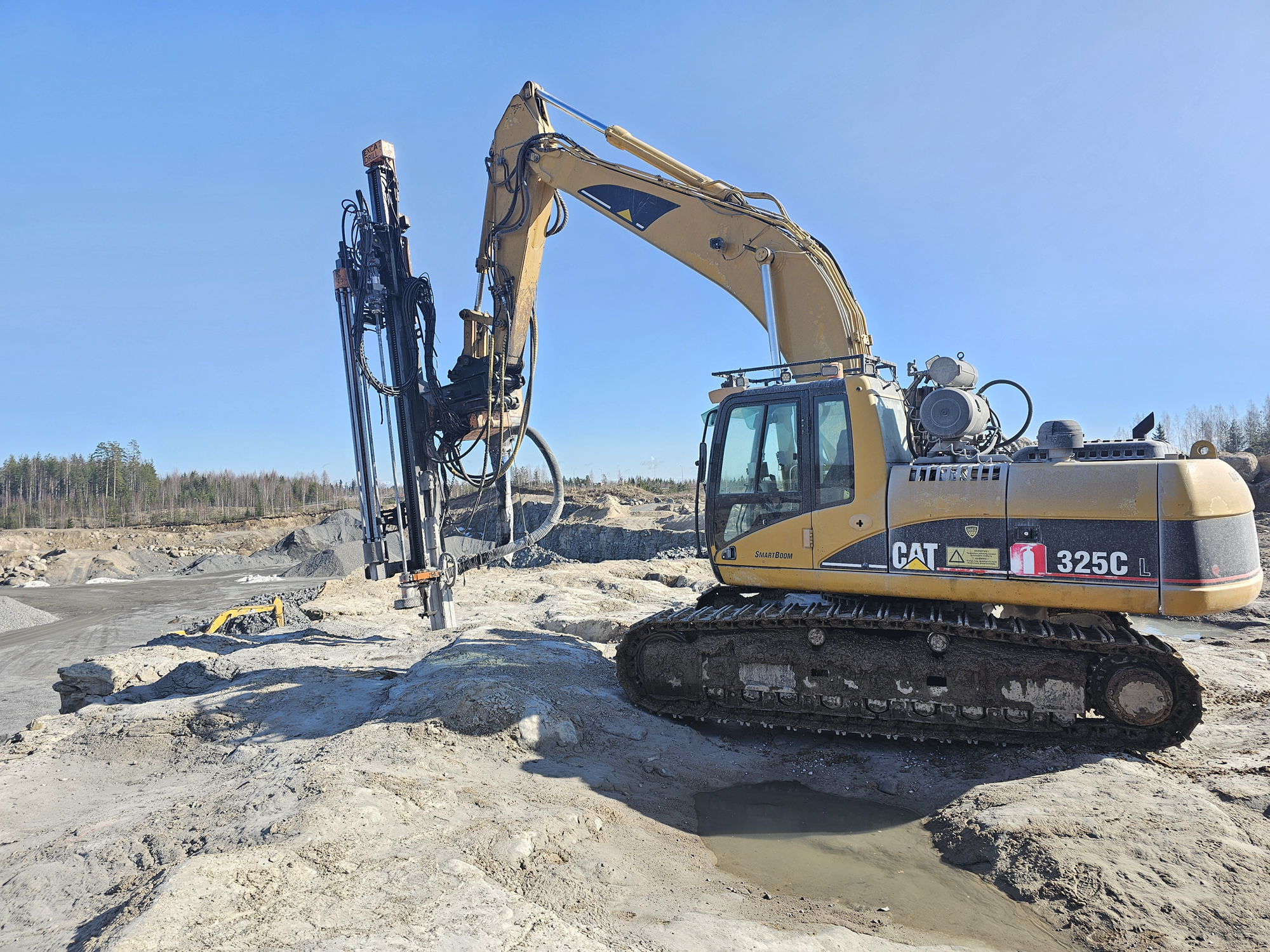
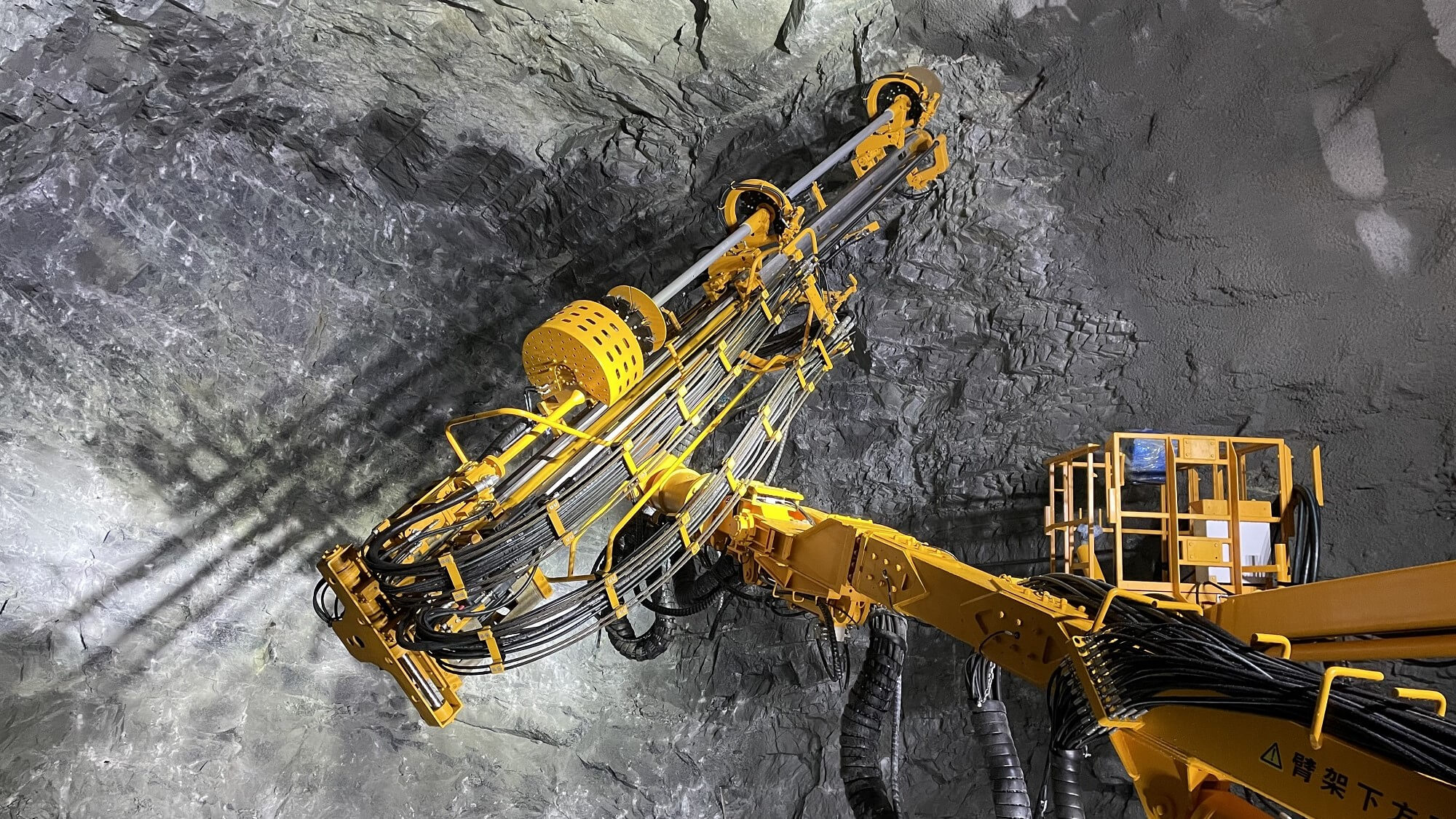
According to Doofor experts, the same hydraulic rock drill can often be configured for multiple applications. For example, a machine designed for applications requiring high rotation torque can also be used for conventional blast hole drilling when equipped appropriately.
This allows OEM manufacturers to offer more versatile drilling equipment while increasing the value of the complete machine for the end customer.
Which technical specifications should I compare?
Technical specifications should always be compared against the requirements of the complete drilling system.
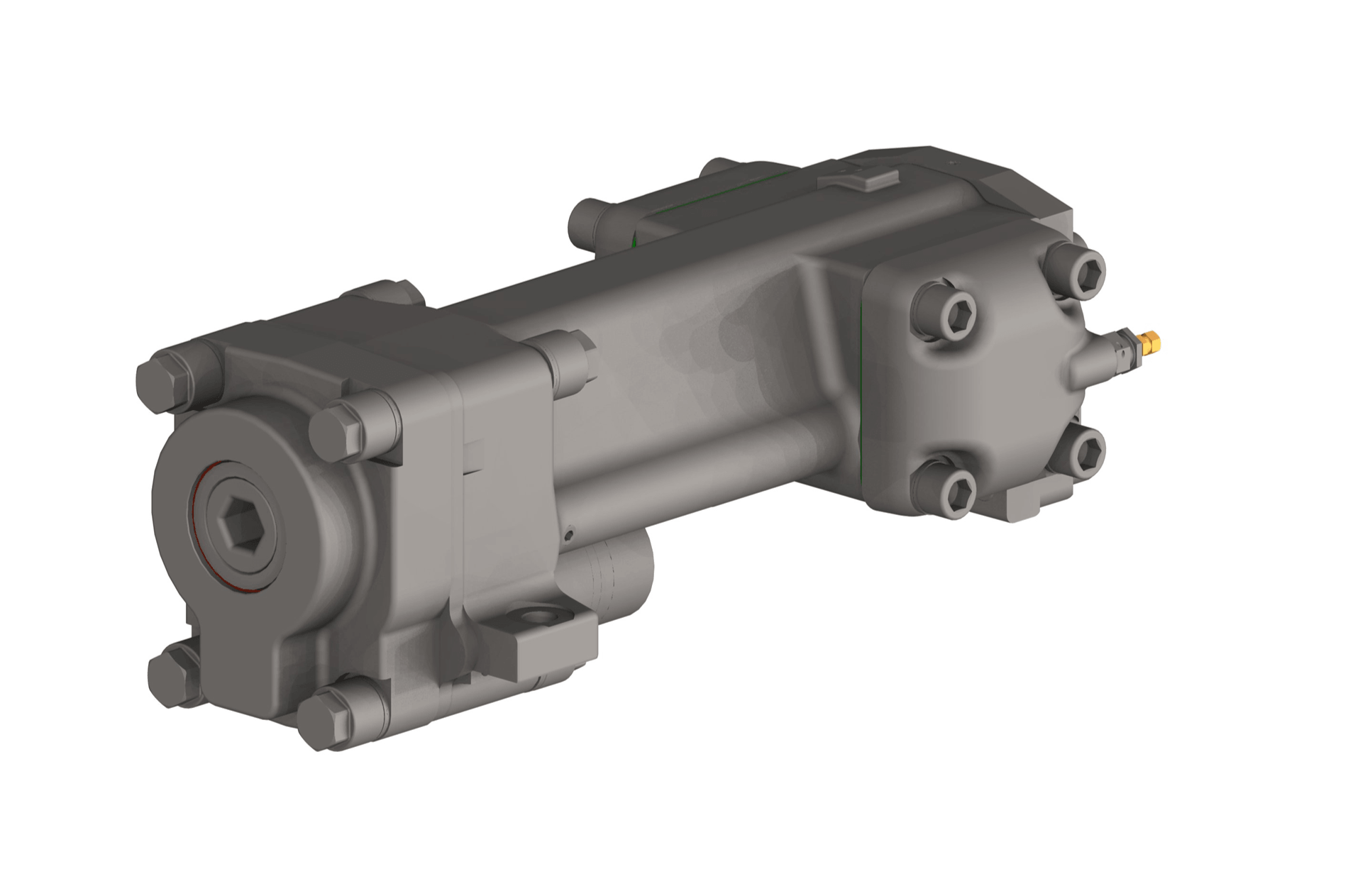
Doofor’s technical specifications include the key hydraulic requirements and performance characteristics of each hydraulic rock drill. Rather than concentrating on a single specification, OEM manufacturers should evaluate how the complete set of characteristics supports the intended application and machine design.
When should a hydraulic rock drill supplier be involved?
The earlier, the better.
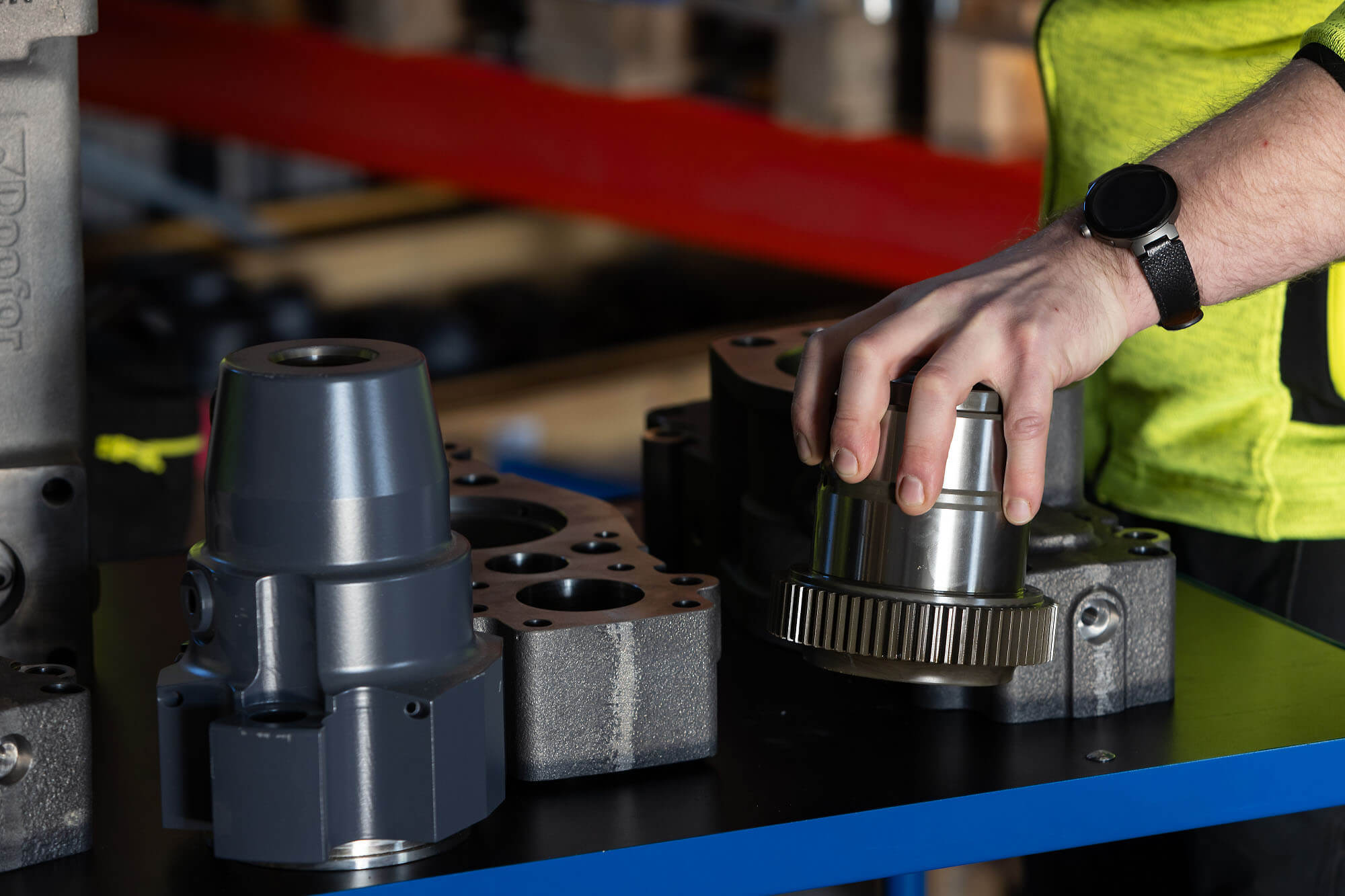
Doofor frequently supports OEM manufacturers during the product development phase, when there is still flexibility to optimise the complete drilling solution. Early cooperation makes it easier to select the right hydraulic rock drill, evaluate different configuration options and integrate the solution into the machine before the final design is completed.
Wish to learn more on how to choose the right hydraulic rock drill to your needs?